The Growing Debate Around Surveillance and Privacy in Britain
Across Britain, a quiet but important debate is gaining momentum: how much surveillance is too much, and where should the line be drawn between security and privacy? As digital systems become more embedded in daily life, concerns about who collects data, how it’s used, and how long it’s stored are moving from the margins into the mainstream.
What was once a niche issue discussed by activists and technologists is now a topic of public interest, touching everything from city streets to smartphones.
Surveillance Is Part of Everyday Life
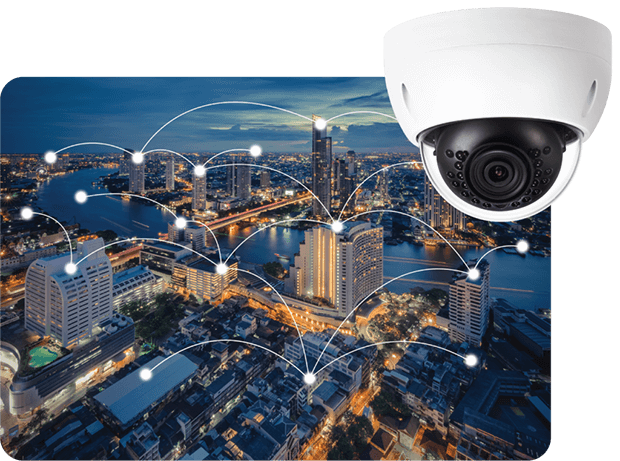
Surveillance in Britain is no longer limited to high-security spaces. Cameras monitor roads, transport hubs, workplaces, and retail spaces. Online, data is collected through apps, websites, and connected devices that track location, preferences, and behaviour.
For many people, this monitoring has become so normal that it fades into the background—noticed only when something goes wrong or a headline brings it back into focus.
Security vs Privacy: A Difficult Balance
Supporters of surveillance argue that monitoring helps prevent crime, improve public safety, and manage infrastructure more efficiently. Tools such as CCTV, automatic number plate recognition, and digital identity checks are often presented as practical solutions to modern challenges.
Critics, however, warn that increased surveillance can erode personal freedoms, especially when oversight is limited or transparency is unclear. The concern isn’t just about being watched—it’s about how power is exercised and who controls the data.
The Rise of Digital Tracking
Beyond physical surveillance, digital tracking has become a central concern. Smartphones, social media platforms, smart devices, and online services collect vast amounts of personal information. While much of this data is used to personalise services or improve user experience, it also raises questions about consent and control.
Many users are unaware of how much data they share—or how easily it can be combined to build detailed profiles of their lives.
Facial Recognition and New Technologies
Emerging technologies have intensified the debate. Facial recognition systems, predictive analytics, and AI-driven monitoring tools promise efficiency but also introduce new risks. Errors, bias, and misuse are growing worries, particularly when these systems are deployed in public spaces.
The speed at which these technologies are introduced often outpaces public discussion, leaving many feeling decisions are being made without enough scrutiny.
Public Trust and Transparency
At the heart of the debate is trust. People are more willing to accept surveillance when they believe it is necessary, proportionate, and transparent. When systems operate in secrecy or without clear accountability, trust quickly erodes.
Calls for stronger safeguards, clearer communication, and independent oversight are becoming louder as awareness grows.
Privacy in a Digital Society
Privacy today isn’t about avoiding technology—it’s about managing it responsibly. Many Britons value the convenience digital systems offer but want greater control over how their information is collected and shared.
This has led to increased interest in privacy settings, encrypted communication, and data protection awareness, signalling a more informed and engaged public.
A Cultural Shift in Awareness
What’s changing is not just technology, but attitudes. Privacy is no longer seen as an abstract concept; it’s understood as something that affects autonomy, freedom of expression, and daily comfort. Conversations around surveillance now appear in workplaces, schools, and households—not just policy circles.
This cultural shift suggests that public expectations around digital rights are evolving.
What Lies Ahead
The debate around surveillance and privacy in Britain is far from settled. As technology continues to advance, society will need to decide how to balance safety, efficiency, and personal freedom. These decisions will shape public spaces, digital services, and the relationship between individuals and institutions.
Final Thoughts
Surveillance and privacy are no longer opposing ideas—they are forces that must coexist. Britain’s growing debate reflects a society grappling with how to protect both security and individual rights in a digital age.



Post Comment