


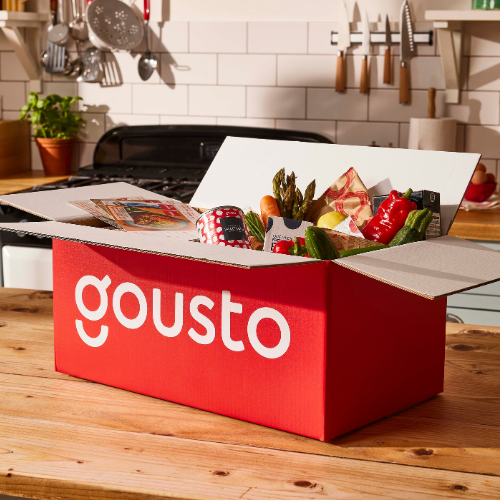
Dinner used to be simple. People cooked what they knew, repeated familiar recipes, and planned weekly shopping trips around routine meals. But modern life in the UK has changed. Long workdays, packed schedules, and endless daily responsibilities have made cooking feel more like another task than something enjoyable. That shift is one reason Gousto has become increasingly popular across British households.
Gousto doesn’t try to turn everyone into professional chefs. Instead, it focuses on making everyday cooking easier, faster, and more realistic for people who still want fresh meals without spending hours planning them.
The Problem Isn’t Cooking — It’s Everything Around It
Many people actually enjoy eating home-cooked meals. The real frustration often comes before the cooking even starts:
- deciding what to eat
- buying ingredients
- avoiding wasted food
- repeating the same meals every week
Gousto simplifies those surrounding tasks. Customers choose meals online, receive measured ingredients, and follow step-by-step recipes designed to fit into busy schedules.
This changes cooking from a stressful responsibility into something more manageable.
Variety Without the Effort
One thing that makes Gousto stand out is how frequently its menu changes. Instead of rotating the same basic recipes repeatedly, the platform introduces different cuisines, flavours, and cooking styles each week.
For UK households stuck in repetitive dinner routines, this adds excitement back into mealtimes. One evening might involve a comforting pasta dish, while another introduces flavours inspired by Asian, Mediterranean, or Mexican cooking.
The variety feels accessible rather than intimidating, which encourages people to try foods they normally wouldn’t attempt at home.
Useful for Beginners and Confident Cooks Alike
Not everyone who uses Gousto is an experienced cook. In fact, many customers appreciate how approachable the recipes feel. Instructions are designed clearly, ingredients arrive portioned, and meals are structured in a way that feels achievable.
At the same time, more confident cooks still enjoy the convenience and inspiration. It removes the repetitive part of meal planning while still allowing people to enjoy the actual cooking process.
That broad appeal is part of why the service works across so many types of households in the UK.
Convenience Without Sacrificing Freshness
Fast food and takeaways are often chosen because they save time. Gousto approaches convenience differently. Instead of replacing cooking, it reorganises it.
Fresh ingredients are delivered directly to customers, helping reduce supermarket trips while still allowing meals to feel homemade. This balance matters to people who want practical solutions but don’t want to rely entirely on processed or pre-made food.
For many users, it becomes easier to cook consistently simply because the preparation is already organised.
A Better Approach to Food Waste
Food waste is a growing concern in many UK homes. Buying full ingredient packs for a single recipe often leads to leftovers being forgotten and eventually thrown away.
Because Gousto sends measured ingredients, households tend to waste less food overall. This makes meal preparation feel more efficient while also supporting more mindful consumption habits.
It’s a small adjustment that can make a noticeable difference over time.
Why More UK Households Are Trying Gousto
Gousto reflects how modern consumers want food services to work: flexible, practical, and easy to integrate into everyday life.
People across the UK are drawn to Gousto because it:
- reduces the stress of meal planning
- introduces more variety into home cooking
- saves time on shopping
- helps minimise wasted ingredients
- makes fresh cooking feel more achievable
Instead of overcomplicating food, the service simplifies it.
Cooking Becomes Part of the Routine Again
One interesting effect of Gousto is that it often helps people reconnect with cooking. When planning and preparation become less overwhelming, meals stop feeling rushed or repetitive.
Families spend more time eating together, couples try new dishes, and individuals gain confidence in the kitchen without needing advanced skills.
That emotional side of cooking is something many people had gradually lost in busy modern routines.