


Technology is no longer a separate force operating on the edges of British life. It has become a central influence on how people live, work, communicate, and even think. Rather than arriving through sudden disruption, tech has reshaped British society quietly—changing habits one update, app, and digital service at a time.
Everyday Life Has Become Digitally Led
Across the UK, daily routines are now built around technology. From paying for coffee with a phone to managing healthcare appointments online, digital systems are embedded into everyday tasks. These changes save time and improve access, but they also raise expectations—people now assume services will be instant, available, and easy to use.
The result is a society that moves faster and relies more heavily on digital infrastructure than ever before.
Work and Employment Are Being Redefined
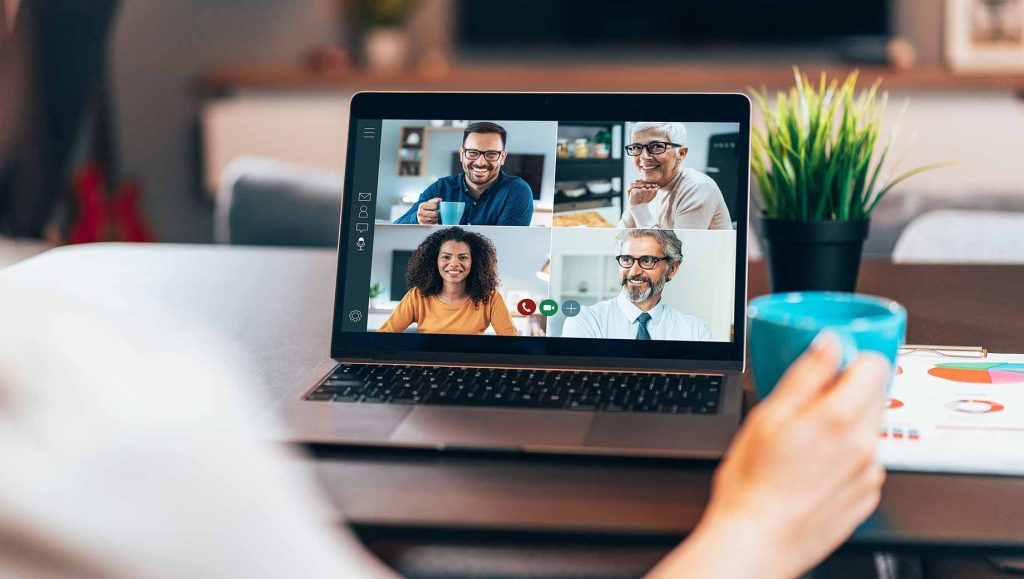
Technology has transformed how Britons work. Remote and hybrid models, digital collaboration tools, and online platforms have reshaped offices, schedules, and career paths. Many people now value flexibility and autonomy as much as salary or job title.
At the same time, automation and artificial intelligence are changing skill demands, pushing workers to adapt and retrain in ways previous generations never faced.
Spending, Banking, and the Cashless Shift
British society has seen a rapid move towards cashless living. Mobile banking, contactless payments, and digital budgeting tools have changed how money is managed and spent. Financial decisions are now tracked in real time, giving individuals more visibility—but also encouraging faster, more frequent transactions.
This shift has altered consumer behaviour and expectations around convenience and control.
Communication and Social Interaction
Technology has redefined how people connect. Messaging apps, social platforms, and online communities now play a central role in maintaining relationships. Social interaction is no longer limited by geography, allowing people to form communities based on shared interests rather than location.
However, this change also raises questions about digital dependency, online behaviour, and the quality of human connection in an always-connected society.
Culture, Identity, and Expression
British culture is increasingly shaped online. Trends, humour, music, and opinions spread rapidly through digital platforms, often influencing mainstream media rather than following it. Individuals now have greater power to create, share, and shape cultural narratives.
This has made culture more diverse and participatory, but also more fragmented and fast-moving.
Public Life and Civic Engagement
Technology has altered how people engage with public issues. Online campaigns, digital activism, and instant access to information have changed political awareness and participation. Voices that once struggled to be heard can now reach wide audiences—but misinformation and polarisation have also become pressing challenges.
Digital platforms now play a significant role in shaping public debate in Britain.
Inequality and the Digital Divide
While technology offers opportunity, it also exposes inequalities. Access to devices, reliable internet, and digital skills is not equal across society. As more services move online, those without access risk being left behind.
Addressing this digital divide is becoming a key social challenge for modern Britain.
A Society Still Adapting
British society is not finished adjusting to technological change. Habits, norms, and expectations continue to evolve as new tools emerge. The focus is shifting from adoption to balance—how to use technology without letting it dominate everyday life.
This adaptation will shape how future generations experience work, relationships, and community.
Final Thoughts
Technology is reshaping British society in profound but often unnoticed ways. It influences how people spend, work, connect, and express themselves—quietly redefining social norms and daily life.
The challenge ahead is not resisting change, but shaping it thoughtfully. As technology continues to evolve, so too will British society—guided by the choices people make about how digital tools fit into their lives.