


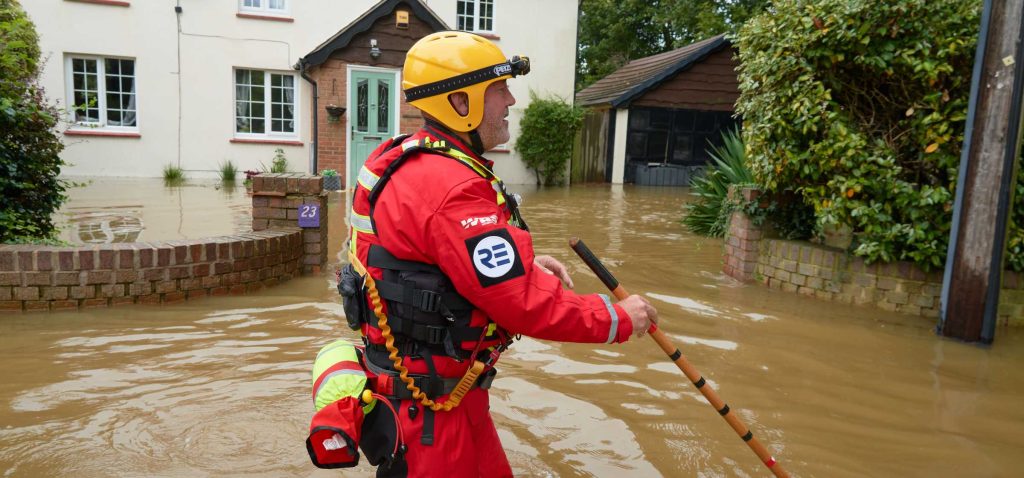
Extreme weather is no longer a rare disruption—it’s becoming a regular part of life across the UK. From heatwaves and heavy rainfall to storms and flooding, these events don’t just affect individuals; they test entire neighbourhoods. Preparing for extreme weather is therefore not only a personal responsibility, but a shared community effort.
Being ready together can reduce risk, protect vulnerable people, and help communities recover faster when severe weather hits.
Why Community Preparation Matters
Extreme weather often overwhelms individual households. Power outages, transport disruption, flooded roads, and strained emergency services affect whole areas at once. When communities prepare collectively, they are better placed to respond calmly and effectively.
Strong local networks can:
- Share information quickly
- Support elderly or vulnerable neighbours
- Coordinate resources like sandbags or temporary shelter
- Reduce pressure on emergency services
Preparation turns communities from passive victims into active responders.
Understanding Local Risks
The first step in preparedness is knowing the risks specific to your area. Some UK communities are more prone to flooding, while others face heat stress, coastal storms, or high winds.
Local councils, weather services, and community groups often provide guidance on area-specific risks. Understanding these threats helps communities plan realistically rather than reacting at the last minute.
Building a Community Emergency Plan
A simple, shared emergency plan can make a big difference. This doesn’t need to be complex. Communities can work together to identify:
- Safe meeting points
- Who may need extra help during emergencies
- Local resources such as community halls or volunteer groups
- Clear ways to share updates and alerts
Even informal planning—through residents’ associations or neighbourhood groups—can strengthen preparedness.
Supporting Vulnerable Neighbours
Extreme weather can hit some people harder than others. Elderly residents, people with disabilities, families with young children, and those living alone may need extra support during heatwaves, floods, or power cuts.
Checking in on neighbours, sharing supplies, or offering temporary assistance can prevent small issues from becoming serious emergencies. Community awareness saves lives.
Preparing Homes Together
While each household should take steps to protect their own home, communities can coordinate efforts such as:
- Sharing advice on flood protection
- Organising group purchases of emergency supplies
- Clearing shared drains or outdoor spaces
- Reporting risks like blocked waterways or damaged infrastructure
Collective action strengthens overall resilience.
Communication Is Critical
Clear and timely communication is essential during extreme weather. Community messaging groups, noticeboards, or local social media channels can help spread accurate information quickly.
Reliable communication reduces panic, prevents misinformation, and ensures people know where to turn for help.
Recovery Is a Shared Effort Too
Preparation doesn’t stop once the weather passes. Recovery is often where community support matters most. Helping neighbours clean up, sharing resources, or simply offering emotional support can speed up recovery and strengthen long-term community bonds.
Communities that prepare together often recover together—faster and stronger.
A Culture of Readiness
Preparing for extreme weather isn’t about fear; it’s about resilience. When readiness becomes part of community culture, people feel more confident and connected. Small actions, taken together, can significantly reduce risk and disruption.
Final Thoughts
Extreme weather is a challenge that affects entire communities, not just individual households. By planning ahead, supporting one another, and staying informed, communities can face severe weather with greater confidence and care.
Being prepared together doesn’t just protect homes—it protects people. And in the face of extreme weather, community readiness can make all the difference.