


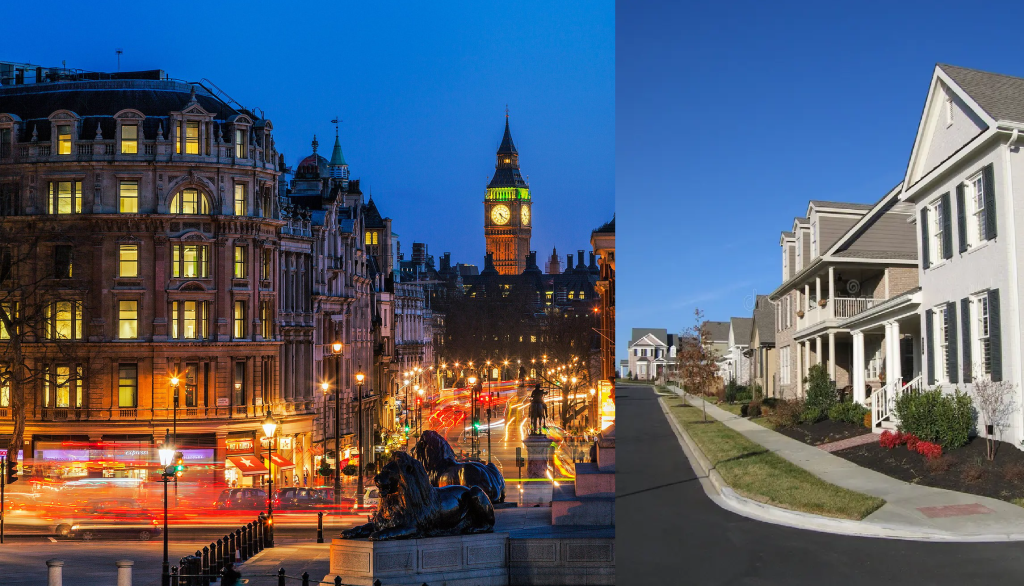
British culture has always evolved quietly, shaped by history, migration, technology, and social change. But in recent years, the pace of that change feels different—faster, deeper, and more visible in everyday life. From how people communicate and work to how traditions are interpreted, Britain may be transforming more rapidly than many realise.
Small Shifts That Signal Bigger Change
Cultural change rarely announces itself. It shows up in subtle ways: how people greet each other, what they value, and how they spend their time. In the UK, everyday habits have shifted dramatically. Digital-first communication has replaced many face-to-face interactions, flexible working has reshaped daily routines, and convenience often outweighs tradition.
What once felt temporary now feels permanent.
The Digital Influence on British Identity
Technology has become one of the strongest forces reshaping British culture. Social media influences language, humour, fashion, and even political views. Trends spread nationally in hours rather than years, and global influences blend seamlessly into local culture.
This constant exposure to worldwide ideas has made British culture more fluid—less tied to geography and more connected to shared online experiences.
Tradition vs Adaptation
Britain is known for its traditions, yet many of them are being reinterpreted rather than abandoned. Tea culture, pubs, local markets, and national celebrations still exist—but they coexist with delivery apps, online communities, and global food trends.
Rather than disappearing, tradition is adapting. The result is a culture that respects its past while quietly redefining what “British” means today.
Changing Attitudes and Values
Social values in the UK have shifted noticeably, particularly among younger generations. Conversations around mental health, inclusivity, sustainability, and work-life balance are now mainstream. Success is no longer defined solely by job titles or home ownership, but by flexibility, well-being, and personal fulfilment.
These evolving values suggest a deeper cultural transformation—one that prioritises quality of life over rigid expectations.
Work, Lifestyle, and Identity
The way Britons work has changed how they live. Remote and hybrid working have blurred boundaries between professional and personal life. Cities are no longer the only centres of opportunity, and lifestyle choices increasingly shape career decisions rather than the other way around.
This shift affects identity itself—how people see their role in society and what they consider meaningful.
A More Diverse Cultural Landscape
Modern Britain is more culturally diverse than ever. Music, fashion, food, and media reflect a blend of influences that challenge traditional definitions of Britishness. This diversity has expanded cultural expression and made it more dynamic, but it has also sparked debate about identity, belonging, and shared values.
These conversations, while sometimes uncomfortable, are part of a culture actively redefining itself.
Are We Noticing It Because We’re Living It?
One reason cultural change feels subtle is because it happens while we’re inside it. What feels “normal” today would have seemed unusual just a decade ago. Cashless payments, digital friendships, remote work, and online activism are now everyday realities.
It’s only in hindsight that cultural shifts become obvious.
What This Means for the Future
If British culture is changing faster than we realise, the challenge lies in how society responds. Adaptation requires openness, reflection, and balance—embracing progress without losing the shared values that create social cohesion.
Culture isn’t being lost; it’s being reshaped.
Final Thoughts
Yes, British culture is changing—and perhaps more rapidly than many acknowledge. These changes aren’t loud revolutions, but quiet transformations unfolding in daily life. The real question isn’t whether culture is changing, but whether we’re prepared to understand, guide, and grow with it.