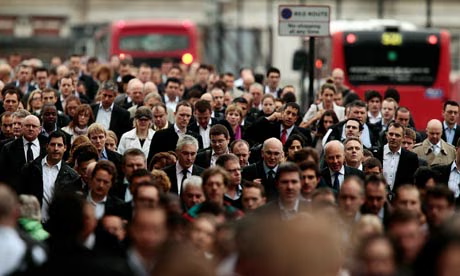
Are Rising Living Costs Changing the British Lifestyle?
Across the UK, rising living costs are no longer just an economic headline—they have become a reality shaping how people live, spend, save, and plan for the future. From grocery bills and energy prices to rent and leisure activities, the squeeze on household budgets is prompting lifestyle changes that many Britons didn’t anticipate a few years ago. But how deep is this impact, and what does it mean for everyday life in Britain?
The Reality Behind the Numbers
In recent years, households across the UK have faced sharp increases in the cost of essentials such as food, energy, and housing. With wages struggling to keep pace in many sectors, families are experiencing real reductions in disposable income. This shift is more than statistical—it’s felt at the supermarket checkout, on utility bills, and in decisions about how money is spent each week.
Shopping Smarter and Spending Less
One of the most visible changes in British lifestyles is how people shop. Many households are:
- Comparing prices more frequently
- Switching to budget or own-brand products
- Reducing food waste by planning meals more carefully
Discount supermarkets and bulk-buying clubs have seen increased popularity, while discretionary purchases such as luxury foods or speciality items are often the first to be cut back.
Energy Bills: A Constant Concern
The sharp rise in energy costs has forced many families to rethink their household consumption. Simple lifestyle changes are now part of daily routines:
- Turning down thermostats
- Using energy-efficient appliances
- Cutting back on non-essential electricity use
These adjustments aren’t just about saving money—they are now habits that many households plan to keep long term.
Housing Choices and Living Arrangements
With rents and property prices elevated in many UK regions, people are altering long-term lifestyle plans:
- Young adults living at home longer
- More shared housing or co-living arrangements
- Delays in moving out or buying first homes
For many, the dream of owning a home is being reimagined as a longer-term goal rather than an immediate milestone.
Transport Habits on the Move
The rising costs of petrol, car insurance, and public transport have reshaped how people travel. In response, many Britons are:
- Increasing use of cycling and walking
- Choosing public transport options where possible
- Combining trips to reduce fuel expenses
These shifts not only reflect financial pressure but also align with broader environmental concerns.
Leisure, Entertainment, and Social Life
Social plans and leisure activities have also adapted. Dining out, weekends away, festivals, and concerts may still happen—but often with tighter budgeting and more planning. Britons are seeking:
- Discounted tickets or off-peak deals
- Free or low-cost local activities
- Staycations over foreign travel
Rather than cutting enjoyment entirely, people are being more selective about how they spend their leisure time and money.
Savings and Financial Security
With less disposable income, prioritising savings becomes harder—but also more important. Many individuals are:
- Building emergency funds more cautiously
- Cutting back on non-urgent investments
- Seeking side income or flexible work options
This cautious approach to money reflects broader uncertainty about the future.
Mental Well-Being and Lifestyle Balance
Adapting to financial pressures isn’t just practical—it also affects emotional well-being. For some, stress about money can lead to changes in mood, priorities, and lifestyle choices. However, many Britons are developing resilience by focusing on what matters most: family time, meaningful experiences, and community support.
What This Means for UK Society
Rising living costs are reshaping British life at multiple levels—household budgeting, daily habits, and long-term goals. While these changes present challenges, they also highlight the adaptability of individuals and communities. People are finding creative ways to live well within constraints, rediscovering the value of simplicity, and prioritising experiences over consumption.
Final Thoughts
Living costs are undeniably changing the British lifestyle—but not uniformly or without nuance. Some changes may be temporary adaptations, while others could have longer lasting effects on spending habits, life planning, and cultural priorities. In a time of economic challenge, the British way of life continues to evolve—not just surviving the squeeze, but reshaping it into new norms and opportunities.


Post Comment